
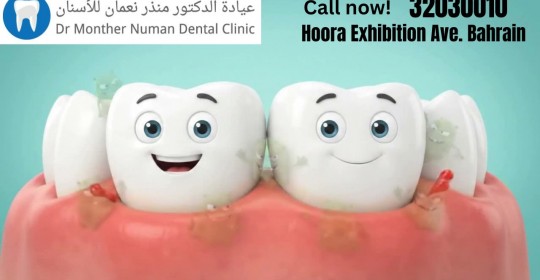
Stages of Gum Disease
Stage 1: Gingivitis (Reversible)
The only fully reversible stage. Plaque biofilms accumulate along the gumline, triggering an inflammatory immune response in the superficial soft tissue without causing bone loss.
• Signs & Symptoms: Gums bleed during brushing or flossing, appear puffy or red, and may cause mild tenderness or chronic bad breath (halitosis). There is typically no pain.
• Probing Depths: Normal to slightly elevated sulcus depths (1–3 mm, pseudo-pockets up to 4 mm due to swelling).
• Treatment: Professional dental prophylaxis (cleaning) paired with consistent daily brushing and interdental cleaning (flossing/interdental brushes).
Stage 2: Mild (Early) Periodontitis
At this stage, infection breaches the periodontal ligament and begins destroying the underlying alveolar bone. The damage is permanent, but its progression can be halted.
• Signs & Symptoms: Persistent bleeding, gum recession, increased gum inflammation, and early periodontal pocket formation where bacteria evade regular toothbrushes.
• Probing Depths: Pockets measure 4–5 mm with clinical attachment loss and early horizontal bone loss (visible on bitewing radiographs).
• Treatment: Scaling and root planning (deep cleaning) to remove subgingival calculus, followed by ongoing periodontal maintenance cleanings every 3–4 months.
Stage 3: Moderate Periodontitis
The infection spreads deeper, destroying substantial bone support and widening the gap between teeth and gums.
• Signs & Symptoms: Visible gum recession (“teeth appearing longer”), noticeable bad taste or pus around the gumline, sensitivity to hot or cold due to exposed root surfaces, and slight mobility in some teeth.
• Probing Depths: Pocket depths reach 6–7 mm with up to 30%–50% bone loss around root structures.
• Treatment: Thorough scaling and root planning, locally applied or systemic antimicrobials, and potentially periodontal pocket-reduction surgery or laser therapy.
Stage 4: Severe / Advanced Periodontitis
The terminal stage of periodontal disease, characterized by severe bone destruction and compromised dentition.
• Signs & Symptoms: Significant tooth mobility, shifting teeth or changes in bite alignment, chronic bad taste, painful abscesses, and spontaneous tooth loss.
• Probing Depths: Pocket depths exceed 7 mm with greater than 50% bone loss, root furcation involvement, and high risk of tooth loss.
• Treatment: Periodontist intervention involving flap surgery, bone and tissue grafts, splinting, or extractions and dental implants/prosthetics to restore functional bite.


Leave a reply